

Antique Keys and Locks
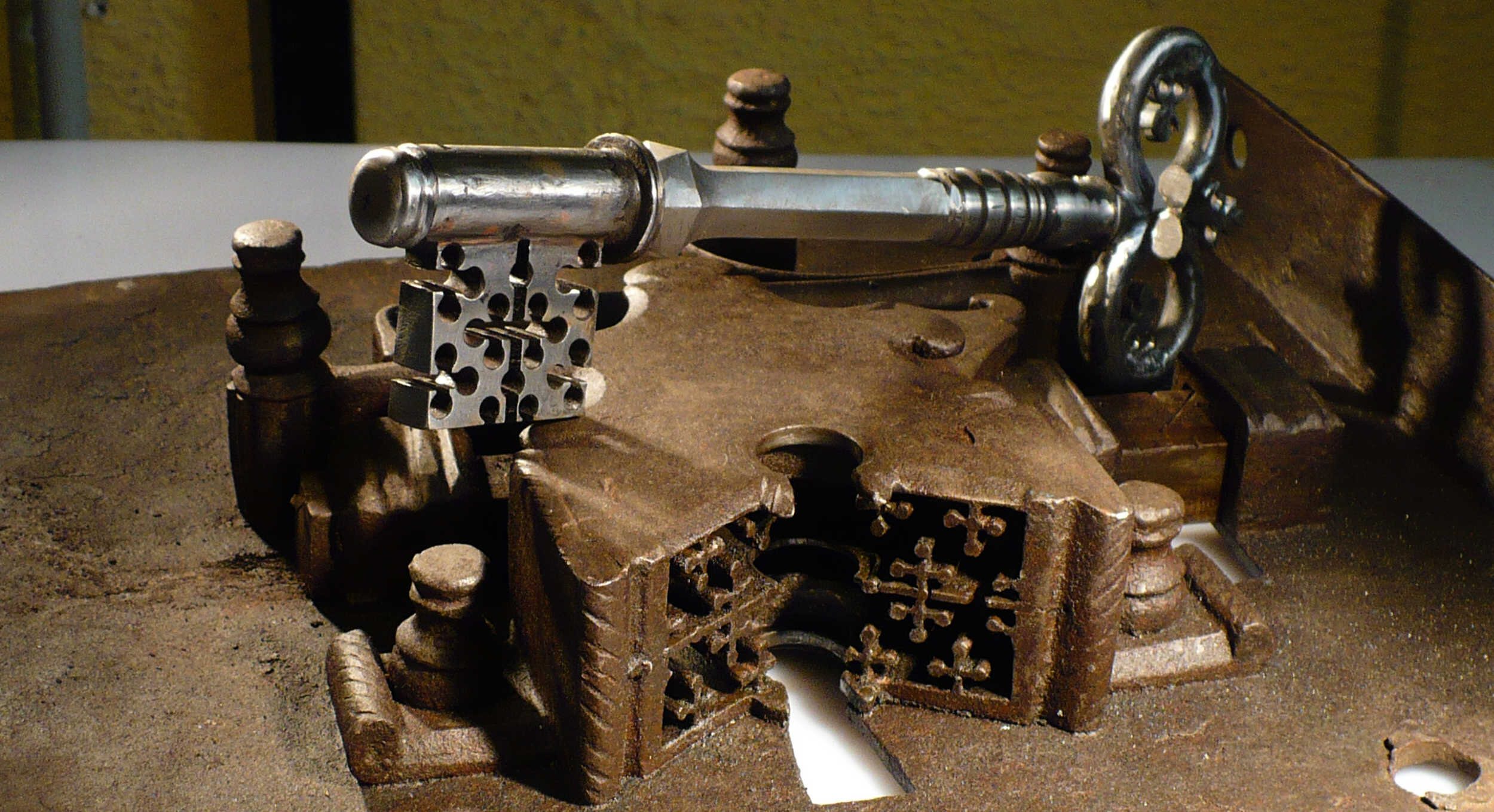
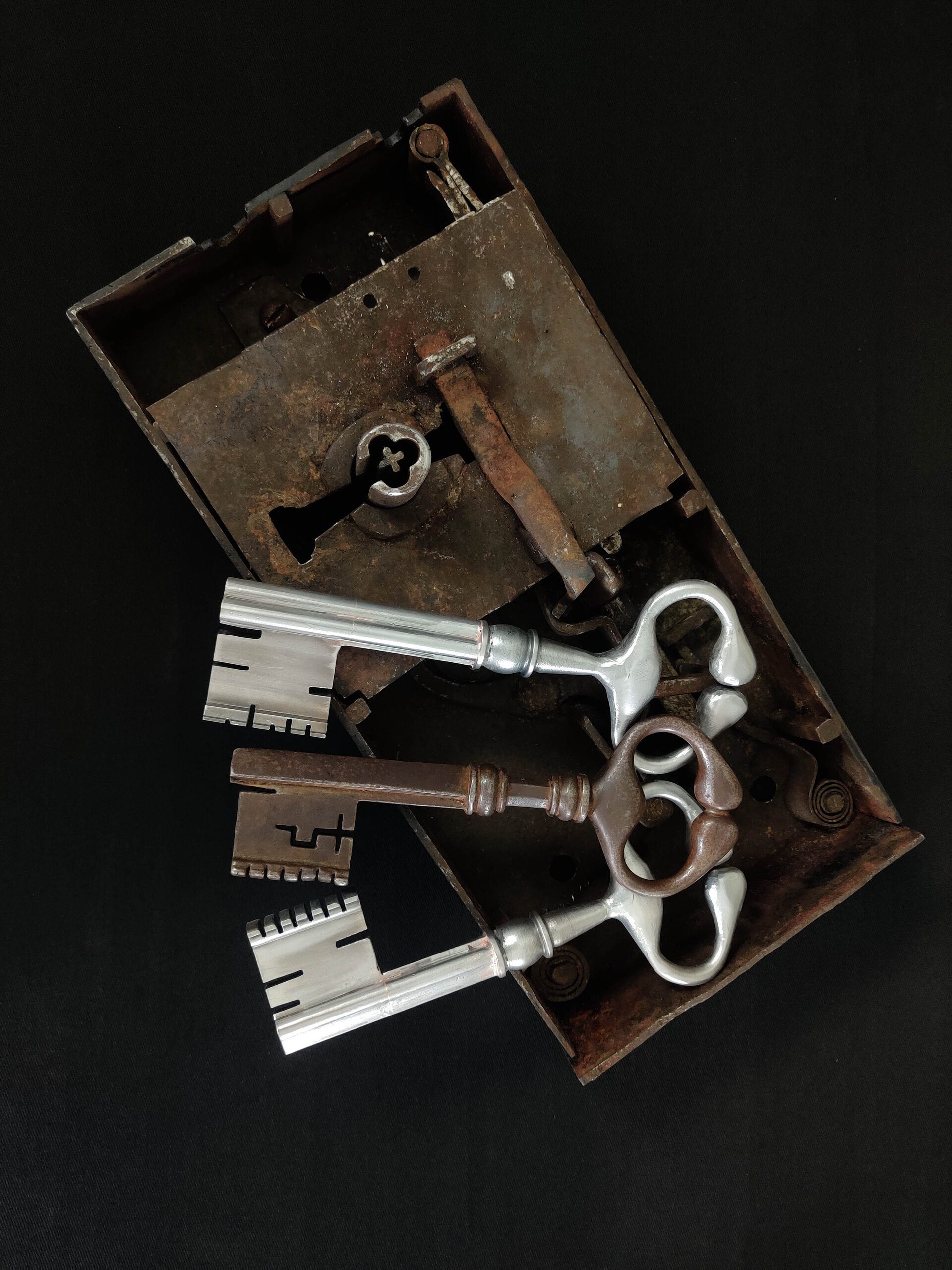
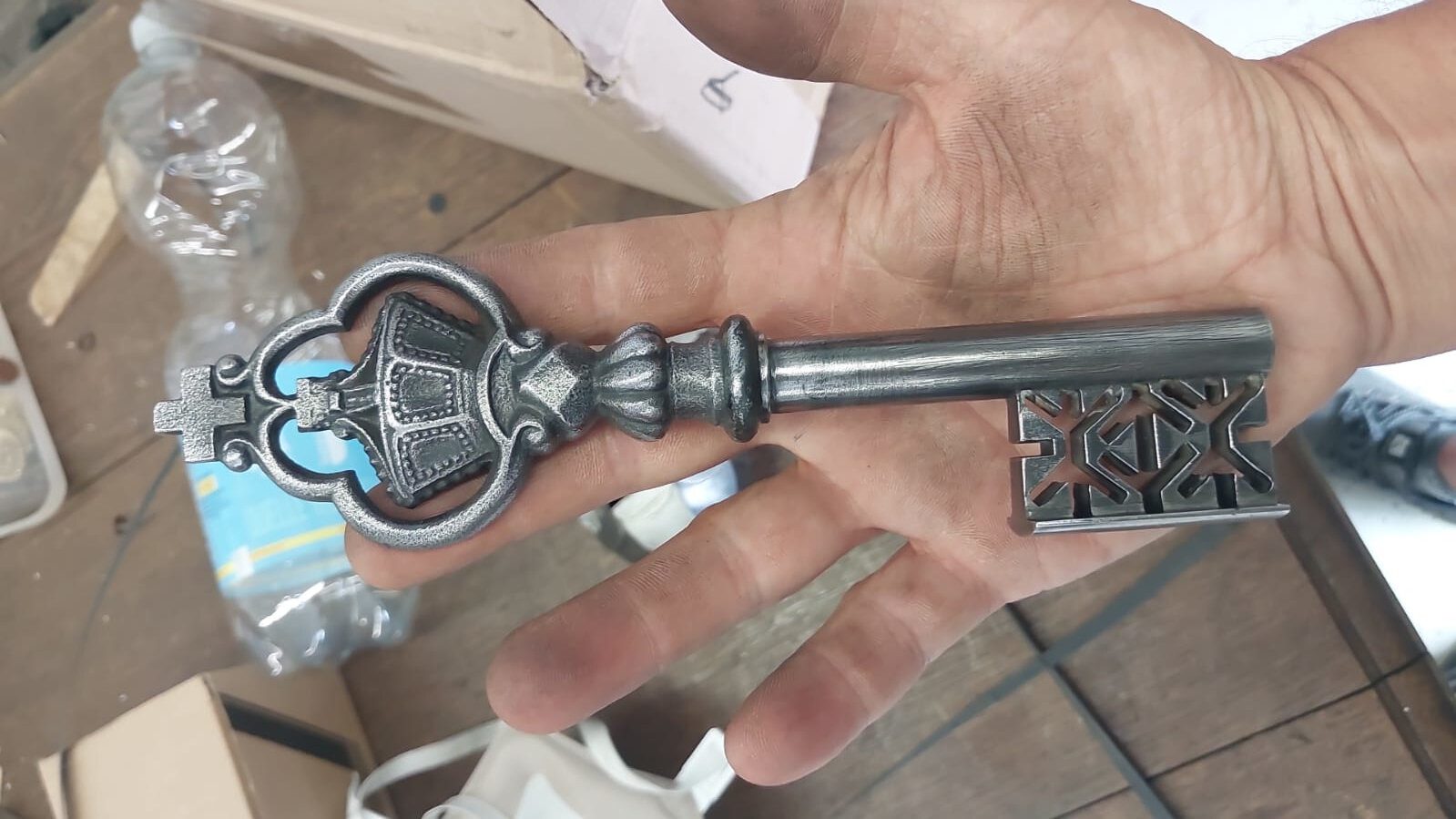
I make keys for antique locks, from before 1500 up to the early 1900s. I repair and restore the locks themselves, when their beauty and their value make it worth keeping them alive. And I open safes of that period that have stayed shut: with no key, or with the key but no memory left of how it is used. With the mechanisms of that time, having the key is not always enough.
An antique lock is not just a mechanism that closes a door. It is a challenge thrown out to the world by the person who built it, a contrivance meant to hold out against anyone who tries to open it. Sometimes even the owner forgets the right sequence. Every time I get the chance to open one it is like measuring myself against its maker: working out what he did, how he did it, and finding the way through.
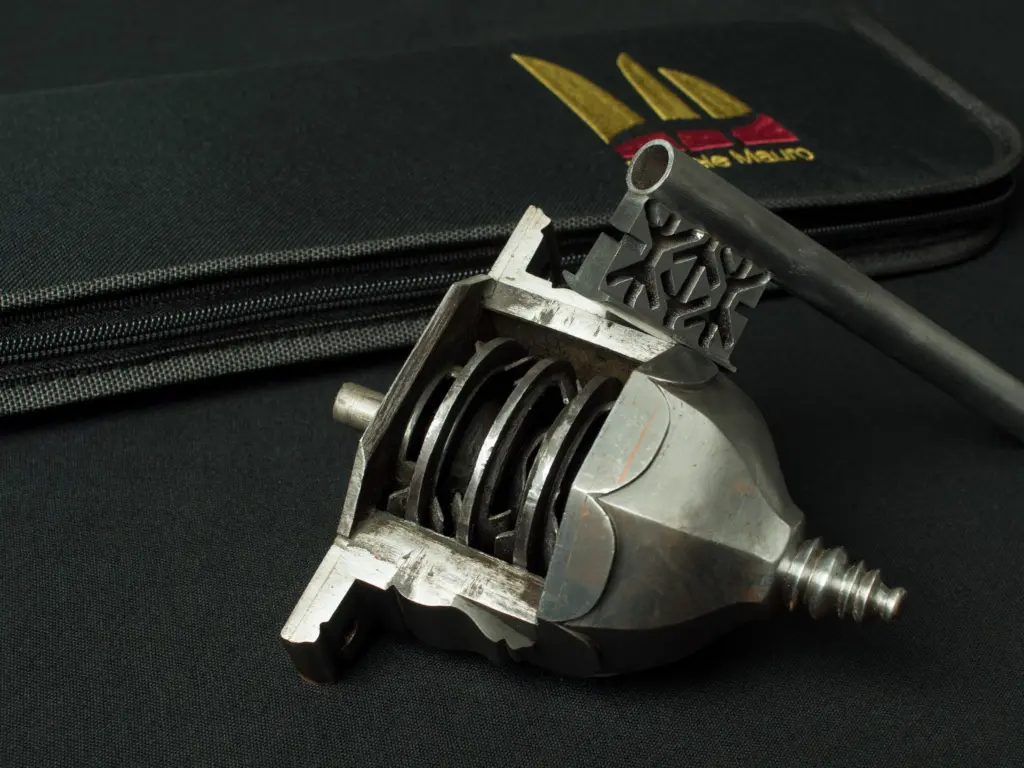
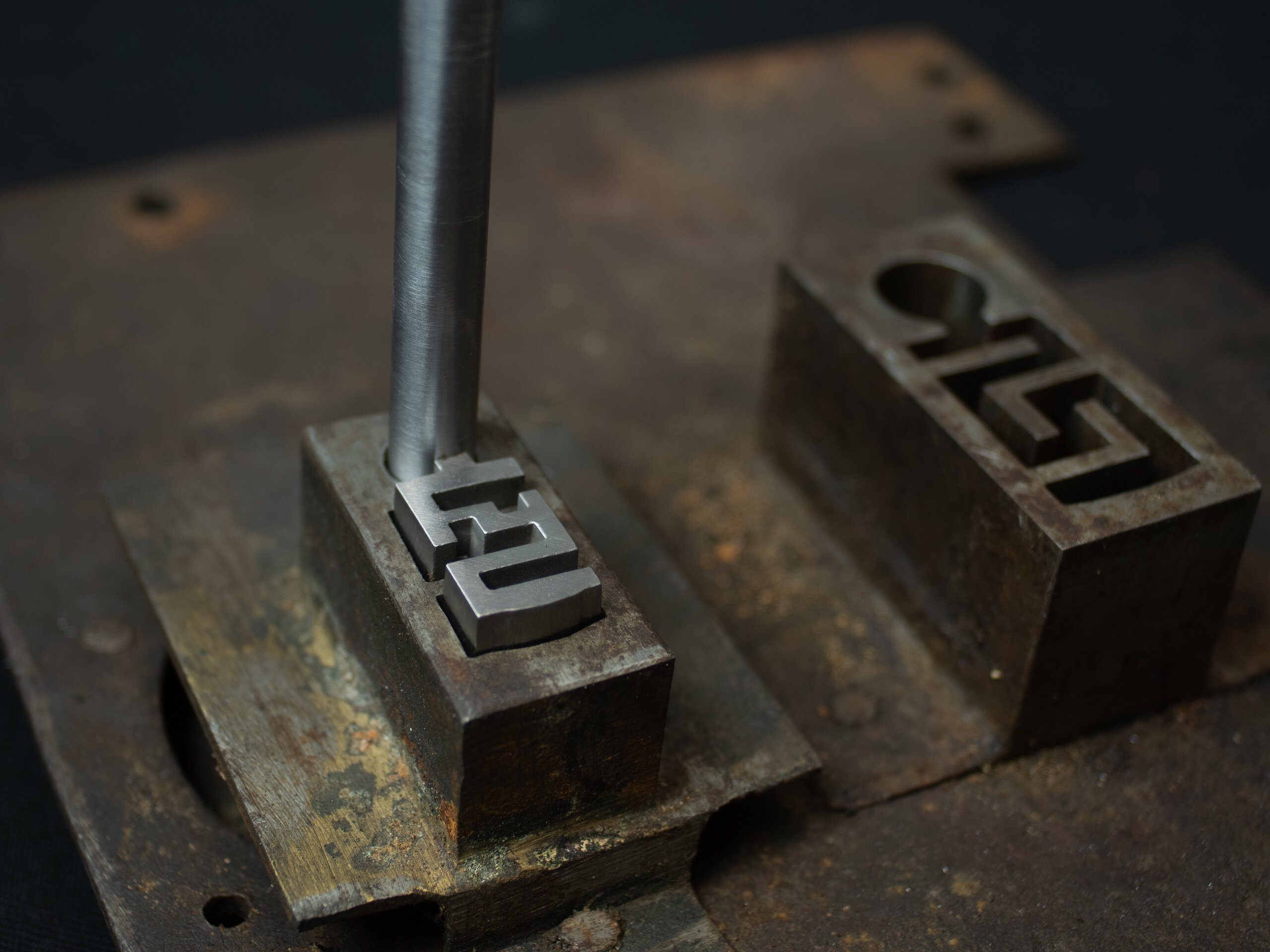
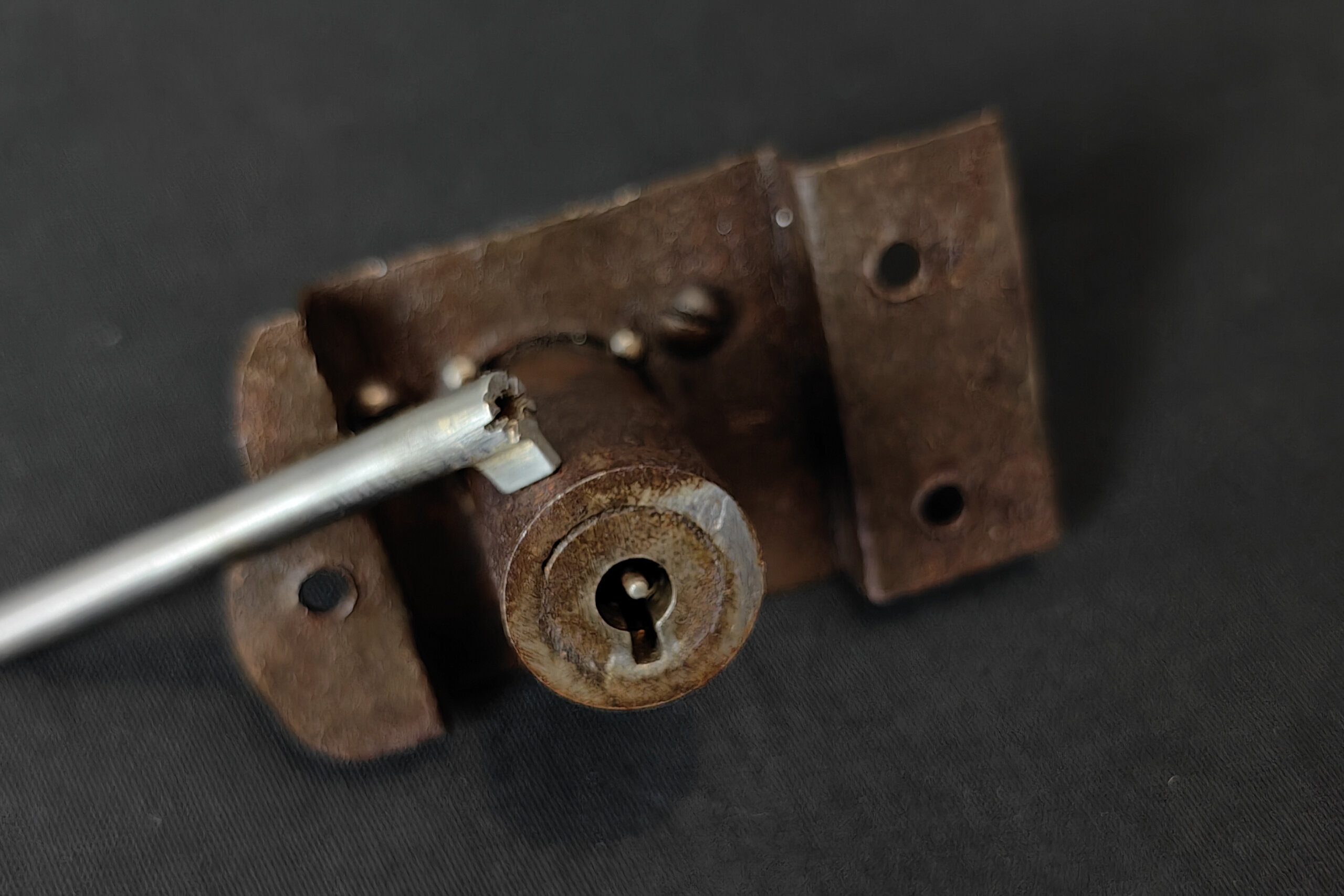
To build a key while the door is still shut I start from what can be seen, the outer profile; I imagine what cannot be seen, feel my way to it, and go along with it, shaping the piece a little at a time. You have to imagine the tricks and the traps, find the hidden buttons and levers that release or block the lock. If you do not know them, having the key is not enough.
That is how the key comes about, piece by piece, built to measure for that one mechanism. Luckily the door is not always shut: if I have the lock in front of me, taken apart, the work has less romance to it but it is easier.
I work on locks and safes running from the fifteenth century and earlier up to the early twentieth — five centuries and more of mechanical ingenuity, each with its own logic and its own tricks. I free up jammed or broken mechanisms, make the missing keys, and, when it is called for, design new locks in the old style, for restoration work or for someone who wants a piece with that history about it.
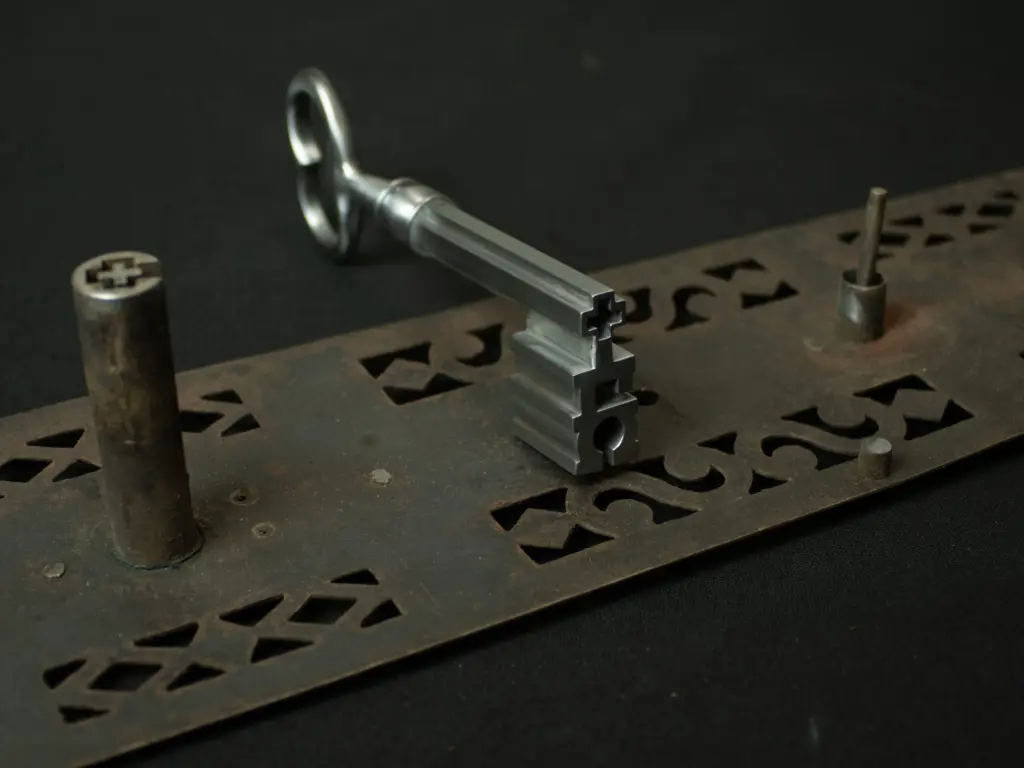
The work is nearly always done at a distance: sometimes I travel, sometimes the lock does. For each case we work out the best way.
If you are missing a key, or want a lock brought back to life, send me a photograph at info@fabbroforgiatore.com and we will talk through the best solution.